Every week brings fresh announcements about the expanding capabilities of artificial intelligence. New models arrive, training runs grow larger and hyperscale data centres continue to scale out at pace. Yet beneath the optimism, a harder constraint is emerging. As megawatt scale racks move from theory to reality, the energy demands of AI infrastructure are becoming a fundamental bottleneck to further growth.
For operators facing the challenge of delivering large volumes of continuous, low carbon power close to where compute is deployed, nuclear energy is being discussed again, this time in new forms. Both small modular fission reactors and, more speculatively, nuclear fusion are attracting attention as potential solutions to the energy problem created by AI.
Small reactors and local power
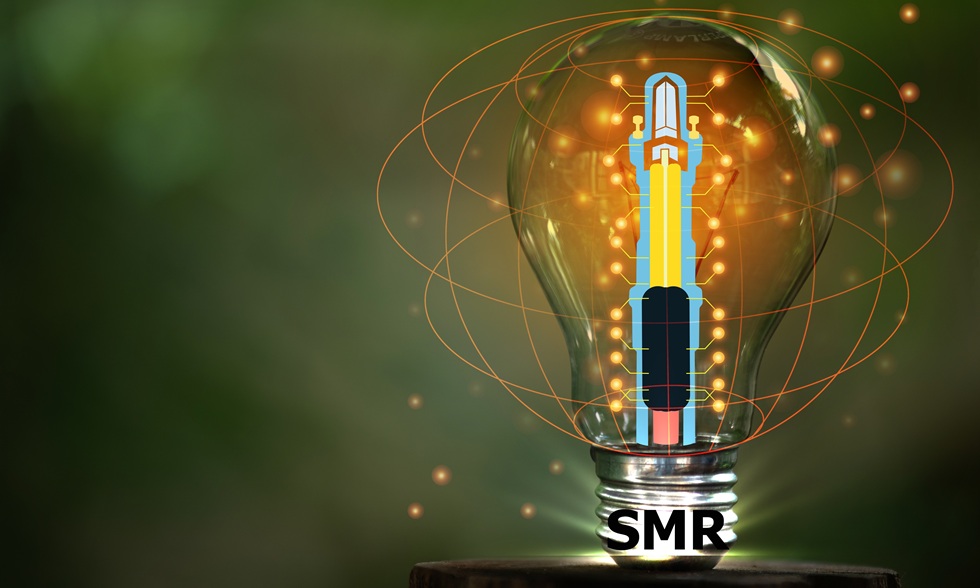
Small modular reactors, commonly known as SMRs, are defined broadly as nuclear fission reactors with an electrical output below 300 megawatts. Their appeal lies less in raw capacity than in how they are built and deployed. By reducing size and standardising design, much of the construction can be shifted into factories rather than bespoke on site builds. Proponents argue this opens the door to mass manufacturing, economies of scale and greater certainty around cost and delivery timelines.
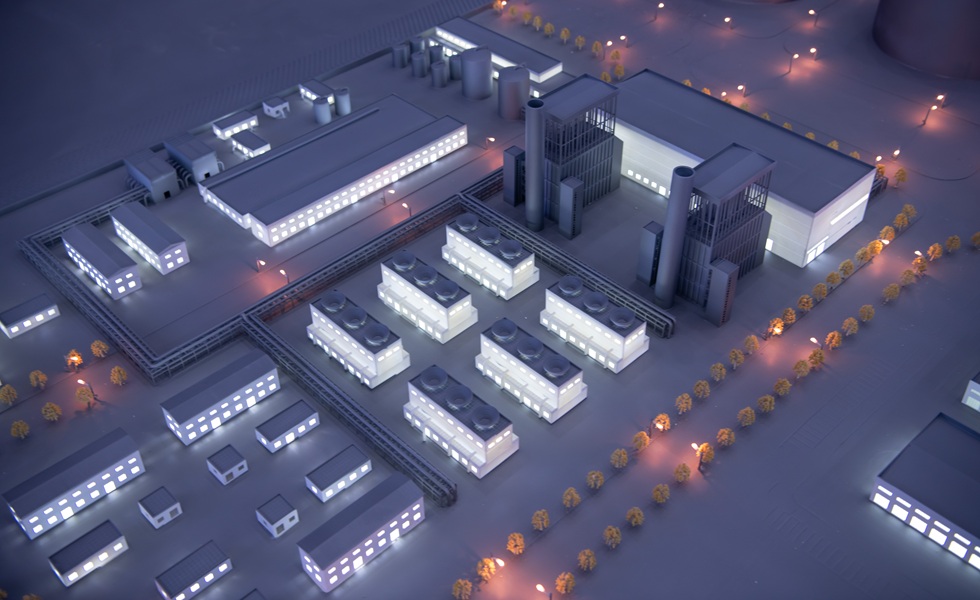
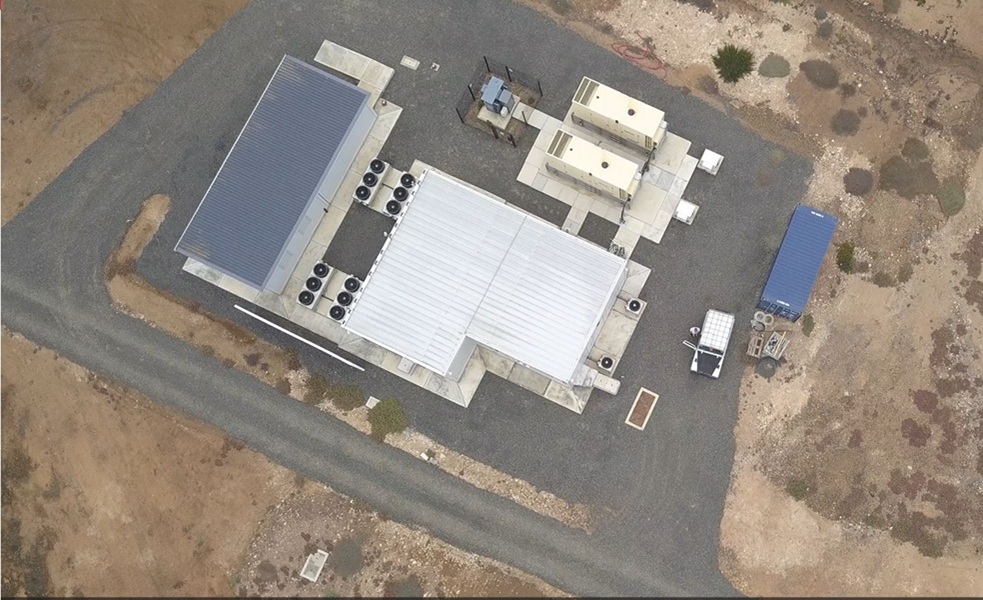
A smaller footprint also creates new siting possibilities. Unlike traditional nuclear plants, SMRs could, in principle, be located closer to industrial facilities or data centres themselves, reducing transmission losses and improving energy security. For AI driven infrastructure that requires predictable, always on power, this proximity is a significant attraction.
Design approaches to SMRs broadly fall into two camps. One focuses on more experimental generation VI reactors, including liquid metal and molten salt designs, which promise higher efficiency and enhanced safety features but have limited operational history. The other builds on more established generation III technologies such as light water and boiling water reactors.
Companies such as Rolls-Royce SMR and Westinghouse argue that much of the work involved in miniaturising reactors has already been proven through decades of experience with nuclear submarines and aircraft carriers. Their case is that adapting existing, well understood technologies may offer a faster and lower risk route to deployment.
The remaining questions are substantial. SMRs must overcome public concerns around nuclear safety, navigate complex regulatory frameworks and demonstrate that they can deliver competitive levelised costs of energy compared with alternatives such as renewables combined with storage. Even so, growing interest from the technology sector suggests cautious optimism. Support for SMR developers from companies including Google and Microsoft reflects a view that nuclear may have a role in meeting the energy needs of future AI data centres.
Fusion enters the conversation
Alongside fission based SMRs, a more radical idea is also gaining attention. Nuclear fusion, the process that powers the sun, promises many of the same advantages as fission reactors: consistent, reliable and low carbon energy that is not dependent on weather or time of day. Unlike fission, however, fusion does not produce long lived radioactive waste.
Commercial fusion power plants are not yet operational, but recent years have seen billions of dollars invested in research projects and startups aiming to make fusion viable. Governments and energy companies have been joined by data centre operators themselves. In 2023, Microsoft signed a 50 megawatt power purchase agreement with fusion startup Helion. Two years later, Google announced a 200 megawatt agreement with Commonwealth Fusion Systems, tied to its first planned fusion power plant, expected in the early 2030s.
These agreements underline how seriously some AI leaders are taking the long term energy challenge. Fusion remains unproven at commercial scale, but for companies planning infrastructure decades ahead, the potential rewards justify early commitments.
Competing futures for clean power
Whether based on fission or fusion, nuclear energy is increasingly being discussed as a way to provide continuous, low carbon power for data centres whose energy profiles differ sharply from traditional enterprise IT. The renewed interest also reflects broader pressures around energy independence and emissions reduction.
Even if SMRs or fusion reactors overcome their technical and regulatory hurdles, they will not operate in isolation. Rapid improvements in renewables, grid infrastructure and energy storage mean nuclear options will face stiff competition. The future energy mix for AI is unlikely to be dominated by a single solution.
What is clear is that AI has shifted the debate. Power is no longer a background consideration but a strategic constraint. As data centres scale to support ever larger models, decisions about where and how energy is generated will increasingly shape the geography and economics of artificial intelligence itself.