The conversation around artificial intelligence infrastructure has largely focused on semiconductors, data centres and computing power. Increasingly, however, the real constraint may be something far more fundamental: access to electricity.
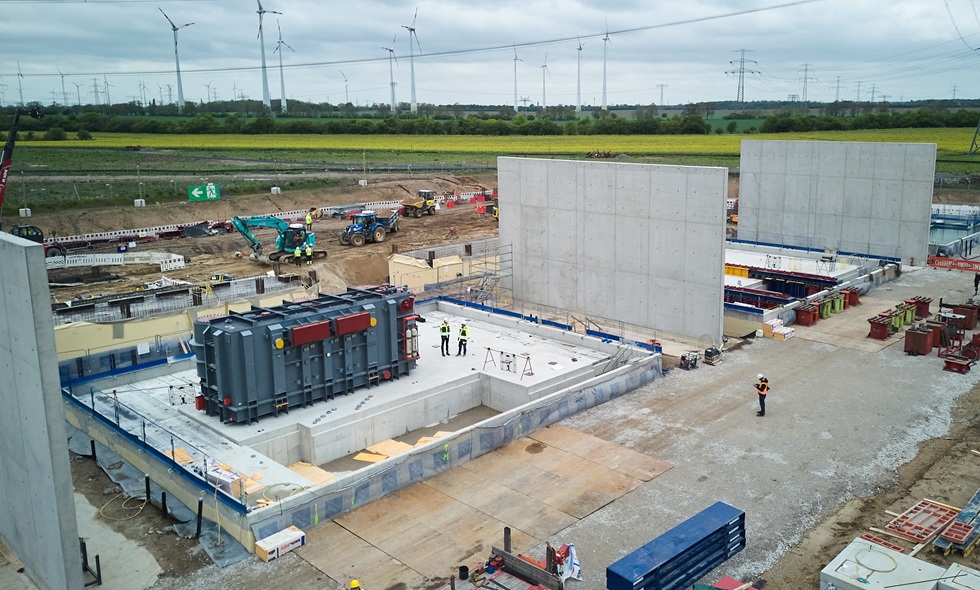
That challenge is reflected in the latest development at VIRTUS Data Centres’ Wustermark campus in Berlin-Brandenburg, where the company has installed two 185MVA super-grid transformers as part of a power architecture designed to support large-scale AI workloads.
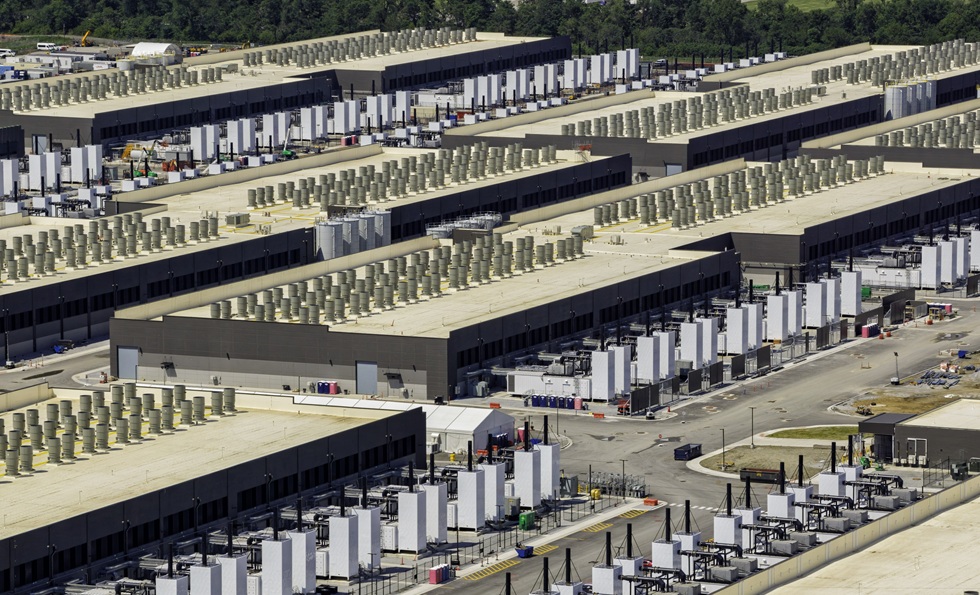
The transformers are among the largest deployed at a European data centre and form part of a campus designed to deliver an initial 300MW of capacity, with the ability to scale further over time. More significantly, the site will become the first data centre campus in the Berlin-Brandenburg region to connect directly to the 380kV transmission network and operate as a closed distribution network.
The announcement highlights a broader shift taking place across the AI infrastructure sector. As artificial intelligence drives unprecedented demand for computing capacity, attention is moving beyond the data centre itself and towards the energy systems required to support it.
AI changes the power equation
The rapid growth of AI workloads is forcing operators to rethink assumptions about power delivery and resilience.
Training and running advanced AI models requires vast amounts of electricity, while growing adoption of inference workloads is increasing demand for reliable, always-available computing capacity. In response, operators are investing in larger power connections and more sophisticated energy infrastructure capable of supporting long-term growth.
At Wustermark, power will be supplied through a dedicated 500MW substation with dual direct connections to the 50Hertz 380kV transmission network. According to VIRTUS, integration with the nearby 50Hertz substation and the high-voltage connections will provide a highly resilient power architecture.
The company says the higher-voltage design delivers improved electrical efficiency, enhanced resilience, greater system stability for AI workloads and reduced transmission losses.
Such considerations are becoming increasingly important as energy costs emerge as one of the defining economic factors in AI infrastructure. While the technology industry continues to focus on processor performance and model capabilities, operators are increasingly aware that power availability and energy efficiency may ultimately determine where AI capacity can be deployed.
Rethinking resilience
One of the more notable aspects of the project is the option for customers to operate without diesel generators.
Data centres have traditionally relied on backup generation systems as a core element of resilience planning. At Wustermark, customers will still have access to generator capacity, but the site has also been designed to enable a zero-generator operating model.
The possibility of eliminating routine reliance on backup generators reflects wider efforts across the industry to reduce carbon emissions while maintaining operational reliability.
According to VIRTUS, the campus will operate on 100 per cent certified renewable energy and is closely integrated with regional renewable energy sources, including significant onshore wind capacity.
The combination of renewable power, direct transmission network access and large-scale electrical infrastructure suggests a changing philosophy in data centre design. Rather than treating sustainability and resilience as competing priorities, operators are increasingly attempting to integrate both into the underlying architecture of new facilities.
The next generation of infrastructure
The installation of the super-grid transformers may appear to be an engineering milestone, but it also reflects a larger transformation taking place across the digital economy.
Artificial intelligence is driving demand for infrastructure at a scale rarely seen in the technology sector. As operators race to build new capacity, the industry is discovering that success depends on far more than servers and processors. Transmission networks, substations, transformers and grid connections are becoming strategic assets in their own right.
For AI infrastructure developers, the challenge is no longer simply building data centres. It is securing access to the energy systems capable of supporting them for decades to come.
The Wustermark campus provides a glimpse of how that future may look. As AI continues to expand, the competitive advantage may increasingly belong not to the organisations with the largest computing clusters, but to those with the strongest connection to the grid that powers them.