The race to expand artificial intelligence infrastructure is beginning to change how data centres are built. As computing requirements become more demanding and deployment schedules tighten, developers are increasingly confronting the limitations of constructing complex facilities through conventional on-site methods.
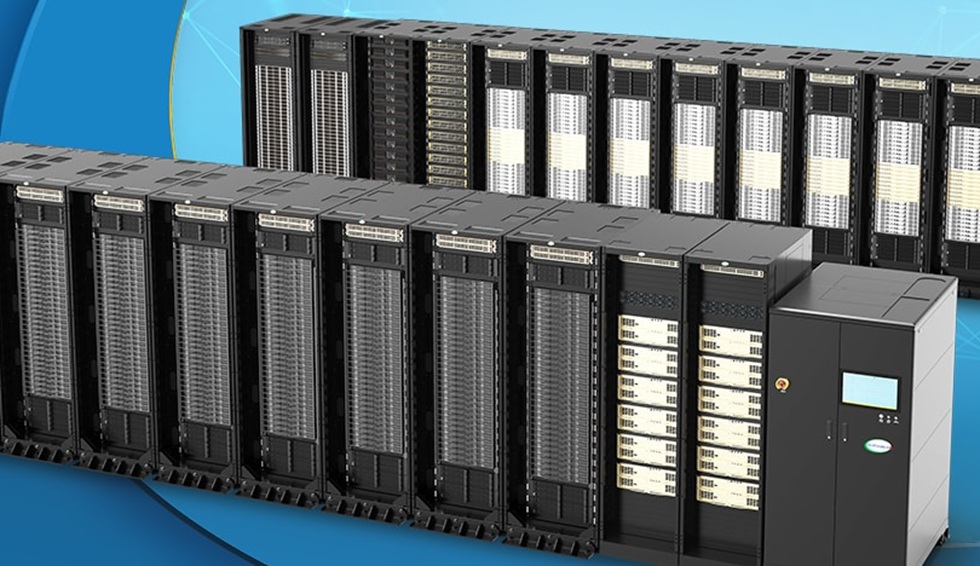
Schneider Electric’s latest RapidScale Modular Data Center Reference Design 115 reflects this shift towards prefabricated infrastructure. Developed to support the NVIDIA Vera Rubin platform, the design combines power distribution, liquid cooling, IT infrastructure and software within a pre-engineered architecture intended to reduce construction complexity and accelerate deployment.
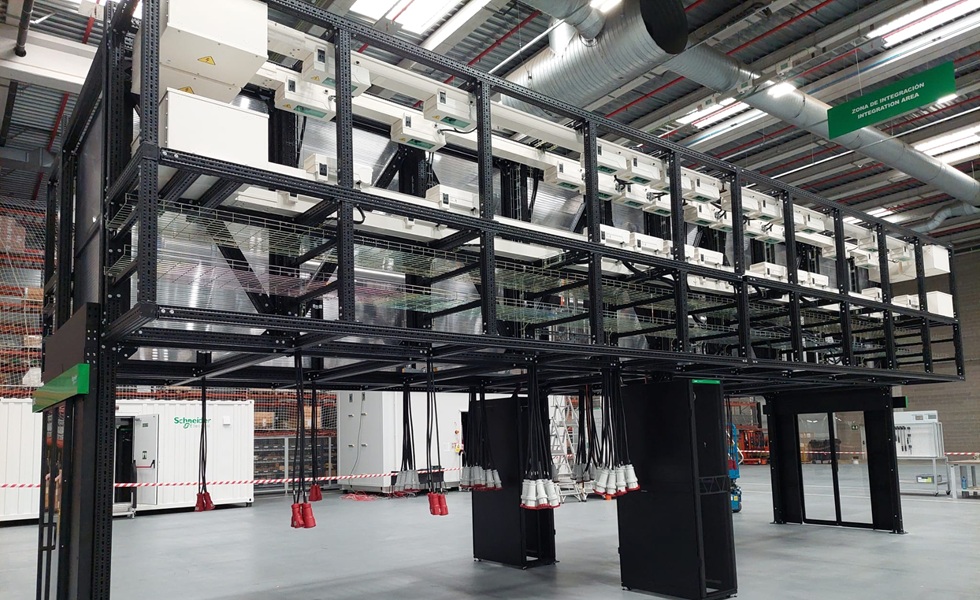
The approach moves more assembly and integration work into controlled manufacturing environments, allowing operators to deploy repeatable infrastructure configurations rather than designing every facility around individual project requirements.
The scale of the challenge is considerable. Schneider Electric estimates that global data centre capacity will increase by 170GW by 2030, reaching 300GW, approximately 2.3 times the installed capacity in 2025. The company expects AI workloads to account for around 65 per cent of total demand by the end of the decade.
Meeting that demand presents difficulties beyond securing sufficient electricity. High-density computing introduces increasingly complex cooling requirements, while skilled labour shortages and the need to coordinate multiple specialist contractors can extend construction schedules.
Evidence of the potential benefits of prefabrication comes from a separate study conducted by Schneider Electric and Compass Datacenters at a hyperscale campus. The research found that prefabricated white space modules reduced on-site installation time from 75.5 hours to 15 hours per pod, an 80 per cent reduction.
The finding concerns installation time rather than the overall project schedule, but it illustrates how shifting assembly and verification away from construction sites could reduce one source of delay.
Adil Attlassy, Chief Technology Officer at Compass Datacenters, said the concentration of interconnected systems within data halls creates particular coordination challenges. Integrating those systems into prefabricated assemblies reduces the number of separate installation activities required on-site.
Schneider Electric’s RapidScale approach also highlights the growing importance of manufacturing capacity and supply chain control. The company says approximately 90 per cent of the equipment incorporated into its modular solutions is manufactured in-house. Its manufacturing capacity has increased fourfold since 2025, with eight primary sites providing 1.35 million square feet of production space, supported by additional facilities and partners.
The reference design has been validated against US ANSI standards, with IEC compatibility planned for international deployments.
The wider implication is that data centre construction is becoming increasingly industrialised. Standardised designs and factory integration may offer greater predictability, although they cannot eliminate constraints such as grid availability or the need for site-specific engineering.
As AI infrastructure expands, the ability to manufacture, integrate and deploy computing environments consistently could become an important competitive advantage. The industry is moving towards a model in which delivering capacity depends as much on production systems and supply chains as on traditional construction expertise.