
The transition from experimental artificial intelligence to production systems is exposing a weakness in enterprise infrastructure planning. Organisations may be ready to invest in powerful computing platforms, but integrating the cooling, power and networking systems needed to operate them reliably presents a different challenge.
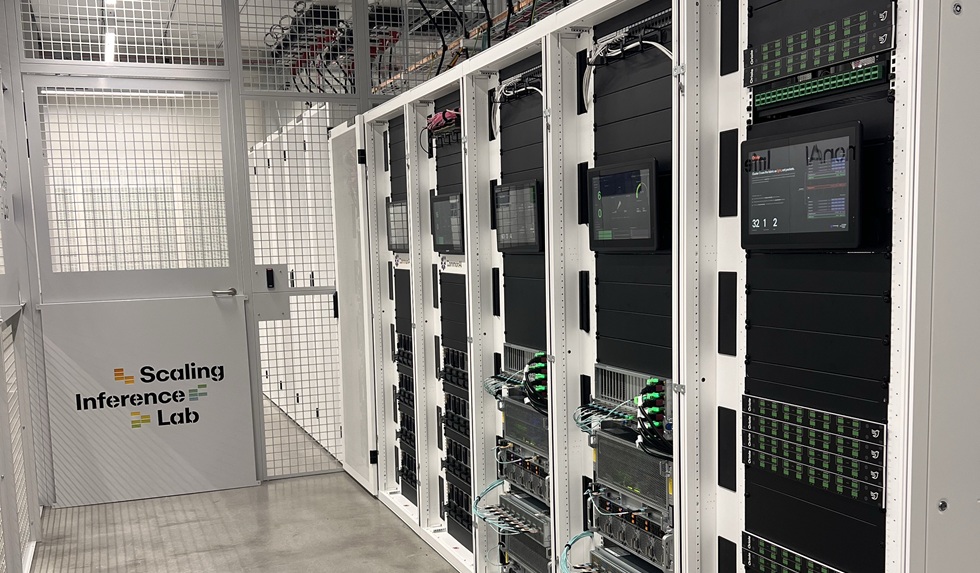
Equinix is seeking to address that gap through a network of Enhanced Performance Innovation Centers (EPIC), providing environments where enterprises can test high-density AI infrastructure before committing to full-scale deployment.
The facilities are operational in Frankfurt, London, Osaka, Paris and Sydney, with further locations planned for 2027. Each operates within an existing Equinix data centre, allowing customers to evaluate liquid-cooled computing systems under production conditions rather than relying exclusively on laboratory testing or supplier specifications.
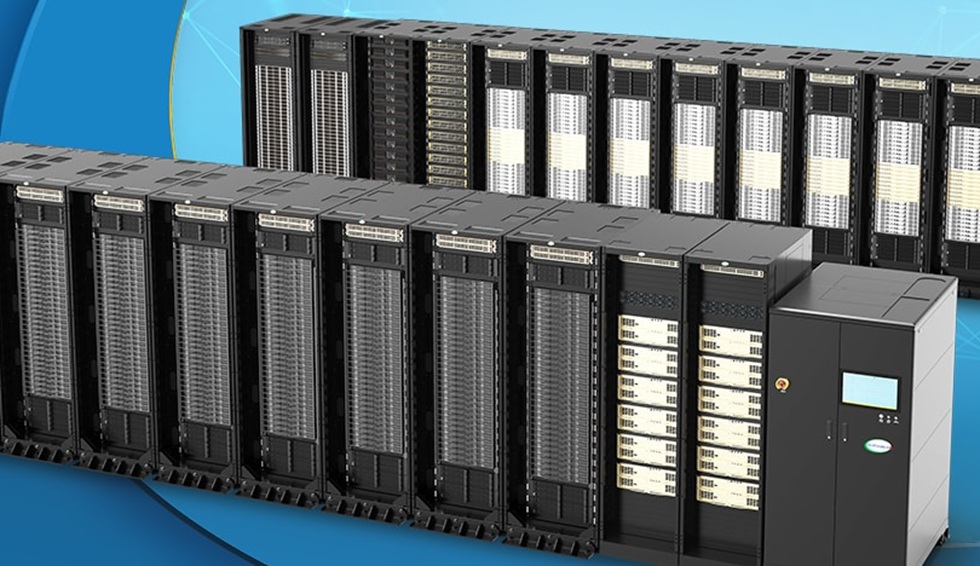
The initiative reflects an important change in the relationship between AI adoption and physical infrastructure. As GPU platforms become more powerful, conventional assumptions about rack density and cooling capacity are increasingly being challenged. Enterprises must understand not only whether new equipment can deliver the required computing performance, but whether their facilities can support it consistently.
Liquid cooling is central to that transition, although deploying it introduces additional operational considerations. Cooling technology must work alongside electrical infrastructure, networking and facility management systems, with problems in any one area potentially affecting the wider deployment.
Equinix’s approach allows organisations to test GPU and CPU platforms alongside technology partners and equipment manufacturers, examining how different infrastructure components operate together before making substantial investment decisions.
Brian Stein, Senior Vice President, Infrastructure Products and Services at Equinix, said the facilities were intended to help businesses validate their infrastructure choices before moving to large-scale deployments.
The significance lies in shifting infrastructure testing closer to the conditions in which AI systems will eventually operate. Rather than treating deployment as the final stage of a technology procurement process, operators can identify integration problems earlier, when changes are potentially less disruptive.
The experience of advertising technology company Criteo illustrates the importance of that approach for organisations operating distributed AI infrastructure.
Matthieu Blumberg, the company’s SVP of Engineering Infrastructure, Security, Internal IT and CISO, said Criteo needed confidence that liquid cooling would perform consistently across different locations. Testing the technology in practice helped the company understand its operational requirements before expanding deployment.
EPIC builds on Equinix’s earlier Co-Innovation Facility programme, introduced in 2022, and its Solution Validation Centers, launched in 2024. The latest initiative places greater emphasis on liquid cooling and high-density computing as AI moves into production environments.
For the wider data centre industry, the development highlights a growing distinction between access to computing hardware and readiness to operate it. As enterprises deploy increasingly demanding AI workloads, infrastructure validation may become an essential part of investment planning rather than an optional technical exercise.
The ability to demonstrate that cooling, power and computing systems work together reliably could prove just as important as the performance of the processors themselves.