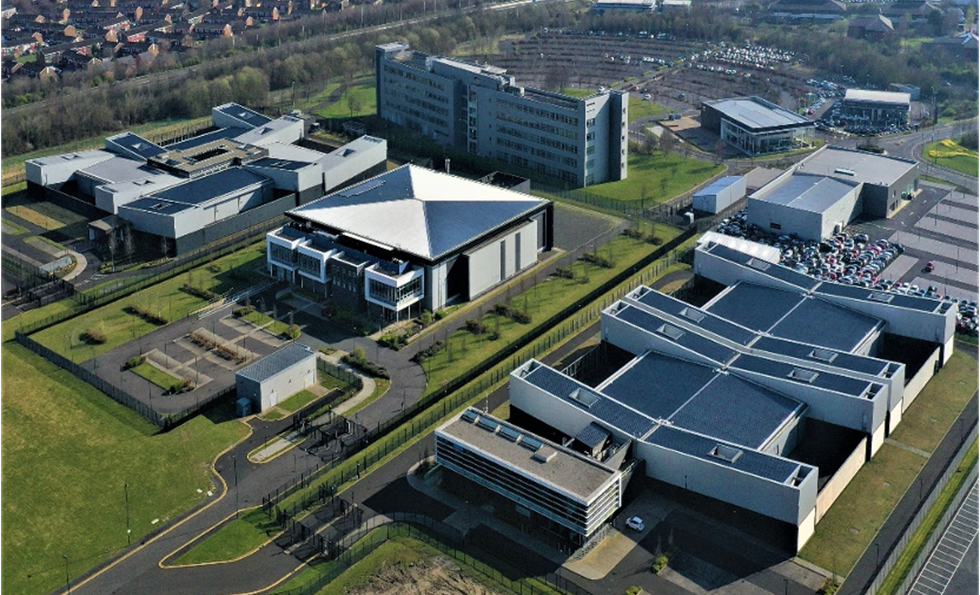
Stellium Datacenters has reported a 75 per cent reduction in carbon emissions at its Newcastle-based facility after adopting a new method of sourcing electricity, offering a potential model for how AI infrastructure can expand without placing unsustainable strain on energy systems.
The site, one of the UK’s larger purpose-built high performance computing data centre campuses, has moved to an hourly matched renewable electricity model in partnership with Good Energy. Rather than relying on annual averages to claim renewable usage, the system aligns electricity consumption with renewable generation on an hour-by-hour basis.
The shift comes at a time of increasing scrutiny over the energy demands of artificial intelligence and cloud computing. Concerns over grid capacity, rising electricity demand and environmental impact have intensified, with policymakers examining how data centre expansion will affect national infrastructure.
Energy accounting comes under pressure
Traditional approaches to renewable energy sourcing in data centres have often relied on certificates that confirm clean power was generated somewhere on the grid over the course of a year. While this allows operators to claim renewable usage, it does not necessarily reflect whether clean energy was used at the precise moment electricity was consumed.
The hourly matching model adopted by Stellium addresses this gap by linking consumption directly to real-time renewable generation. The company said it is currently achieving a 95.4 per cent hourly matching score, compared with a market average of around 43 per cent. Planned additions, including large-scale battery storage, are expected to raise this further to between 97 and 98 per cent.
The approach also allows the operator to identify which renewable assets supplied power at specific times, providing a level of transparency that has been difficult to achieve under conventional models. This has implications for how organisations report emissions and assess the environmental impact of their operations, particularly as AI systems drive sustained, high-intensity energy use.
Infrastructure growth meets system constraints
The development reflects a broader challenge facing the AI sector. As demand for compute continues to rise, driven by both training and inference workloads, data centres are becoming increasingly energy-intensive. This has led to concerns that rapid expansion could outpace the capacity of existing grids, particularly during periods of peak demand.
By aligning energy use more closely with renewable generation, the Stellium model suggests one way of mitigating these pressures. Matching demand to available clean energy reduces reliance on fossil fuel generation at times when the grid is under strain, potentially easing both environmental and operational challenges.
The implications extend beyond individual facilities. As the UK prepares for a significant increase in data centre capacity to support AI and data-driven industries, approaches to energy sourcing and reporting are likely to become central to planning and regulatory decisions. The ability to demonstrate not only that renewable energy is used, but when and how it is used, may become a defining factor in how new projects are assessed.
The shift also highlights a changing relationship between digital infrastructure and energy systems. Data centres are no longer passive consumers of electricity, but active participants in how energy is sourced, managed and accounted for. As artificial intelligence continues to scale, that relationship is likely to become more complex, requiring closer coordination between technology providers, energy suppliers and regulators.
What emerges from the Stellium case is not a resolution to the energy challenge, but an indication that alternative models are beginning to take shape. The expansion of AI infrastructure will continue to place pressure on existing systems, but the way that energy is procured and measured may prove just as important as the amount that is consumed.