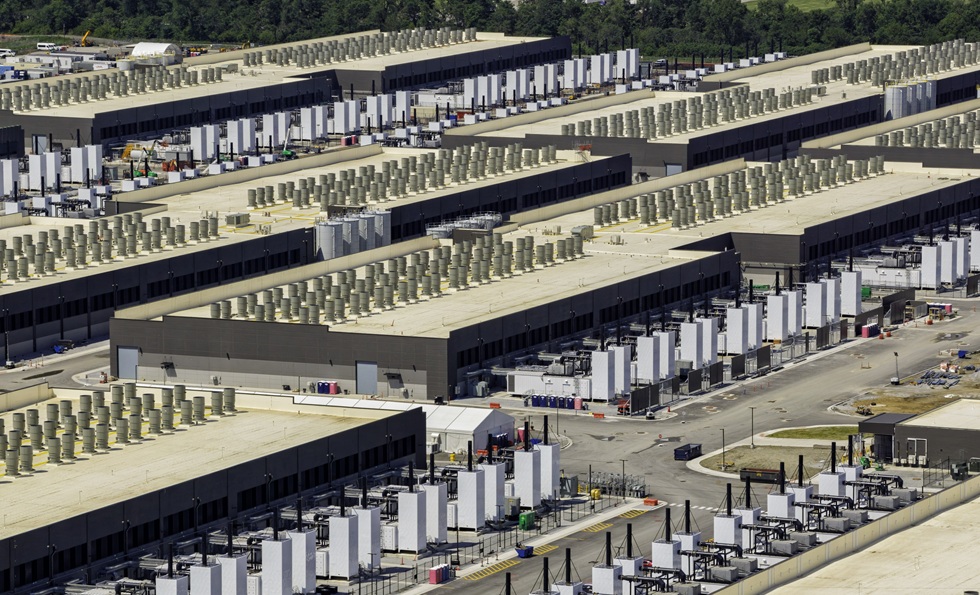
The architecture of telecommunications networks is undergoing a structural shift as artificial intelligence and real-time applications push compute away from centralised data centres and towards the network edge. What was once a model built around dense metropolitan hubs is being replaced by a more distributed approach, designed to process growing volumes of data closer to where it is generated.
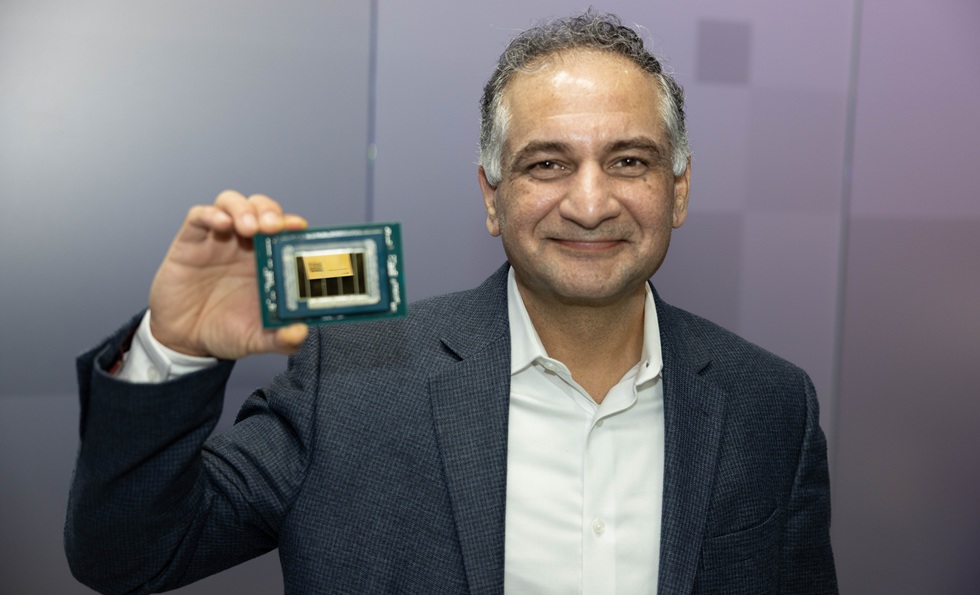
A collaboration between Dell Technologies, Intel and Nokia highlights how that transition is beginning to take shape. At Mobile World Congress 2026 in Barcelona, the companies previewed a new edge-based User Plane Function device, combining the Dell PowerEdge XR8000 platform with Intel Xeon 6 system-on-chip processors to deliver compute capabilities in environments constrained by space and power.
The development reflects a broader industry response to the increasing share of enterprise data now processed at the far edge. As organisations deploy applications that rely on real-time analysis and decision-making, the distance between compute and user becomes a limiting factor. Traditional cloud architectures, while effective in dense urban centres, struggle to meet the latency and performance requirements of distributed environments such as industrial sites, suburban regions and remote locations.
Distributed networks reshape performance demands
The introduction of edge-based compute is changing how telecommunications providers approach network design. Rather than relying on centralised clusters, operators are deploying smaller, strategically placed units that extend coverage and improve responsiveness across a wider geographic footprint.
The new edge-based UPF device is intended to address this need by delivering high performance within a compact form factor. Powered by Intel Xeon 6 processors, it introduces integrated AI capabilities designed to support enterprise and service provider workloads at the far edge. The system will be available from the beginning of the third quarter of 2026.
The inclusion of AI functionality at this level of the network reflects a shift in how data flows are managed. Instead of routing large volumes of information back to centralised systems for processing, networks are increasingly expected to analyse and act on data locally. This reduces latency and enables new types of services, particularly those that depend on immediate responses.
Performance gains are a central part of this transition. The system is reported to deliver a 30 per cent improvement in 5G core UPF performance, alongside reductions in energy consumption, including a 43 per cent decrease in run-time CPU power usage for Nokia’s 5G UPF. These changes point to the growing importance of balancing computational capability with energy efficiency as networks scale.
AI becomes embedded in network infrastructure
Beyond performance, the move to distributed edge architectures introduces new operational considerations. Telecommunications providers must manage increasing traffic volumes while maintaining reliability across a more complex and geographically dispersed infrastructure.
The collaboration between Dell, Intel and Nokia is designed to address these challenges by enabling flexible capacity, allowing resources to be scaled independently across control and user plane functions. This approach is intended to improve cost efficiency while maintaining the ability to handle large data volumes through high-speed connectivity.
Reducing latency is another critical factor. By minimising the distance data must travel, edge deployments enable faster response times, which are essential for applications ranging from industrial automation to real-time analytics. At the same time, distributing compute across multiple locations enhances network resilience, reducing the impact of potential failures in any single site.
The integration of AI capabilities within these systems signals a broader evolution in telecommunications infrastructure. Networks are no longer passive conduits for data, but active environments in which data is processed, interpreted and acted upon in real time. As AI continues to reshape how services are delivered, the edge is becoming a central component of that transformation, redefining both the structure and the function of modern networks.