The artificial intelligence boom is often framed as a battle between technology companies developing ever more capable models. Increasingly, however, the decisive competition may be taking place elsewhere. As AI systems demand unprecedented levels of computing power, the ability to secure energy, deploy infrastructure quickly and bring new capacity online is emerging as one of the defining challenges of the sector.
That reality is illustrated by the continued expansion of the Lake Mariner data centre campus in New York, where Schneider Electric says it has now delivered more than $290 million of AI infrastructure solutions as part of a phased deployment supporting the site’s rapid growth. The project highlights a broader shift taking place across the AI economy, where infrastructure delivery is becoming as strategically important as advances in algorithms and software.
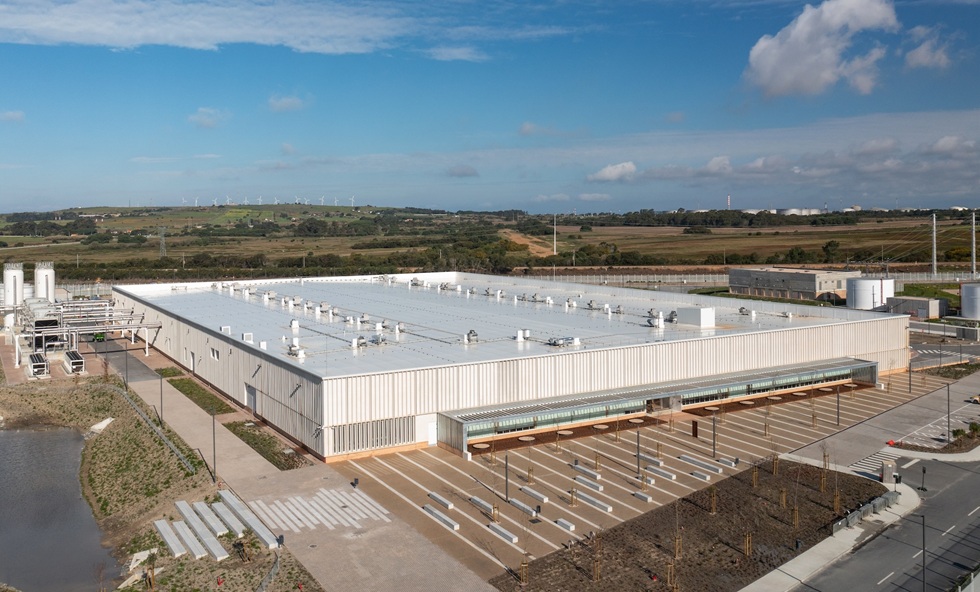
Located in Barker, near Buffalo, the Lake Mariner campus is projected to support up to 750MW of power demand when fully built out. The site is being developed by TeraWulf and is designed to support high-performance computing, cloud services and AI workloads, drawing on existing industrial infrastructure and access to substantial power resources.
The project arrives at a time when concerns are growing about whether infrastructure development can keep pace with AI demand. While much attention has focused on the availability of advanced chips, industry leaders are increasingly warning that power access, cooling capacity and deployment timelines could become the limiting factors on future AI growth. Schneider Electric described “time to power” as a defining constraint on AI expansion in the United States.
AI meets the physical world
The challenge facing operators is straightforward but significant. As AI workloads become larger and more computationally intensive, data centres require greater power density, more sophisticated cooling systems and increasingly complex operational management.
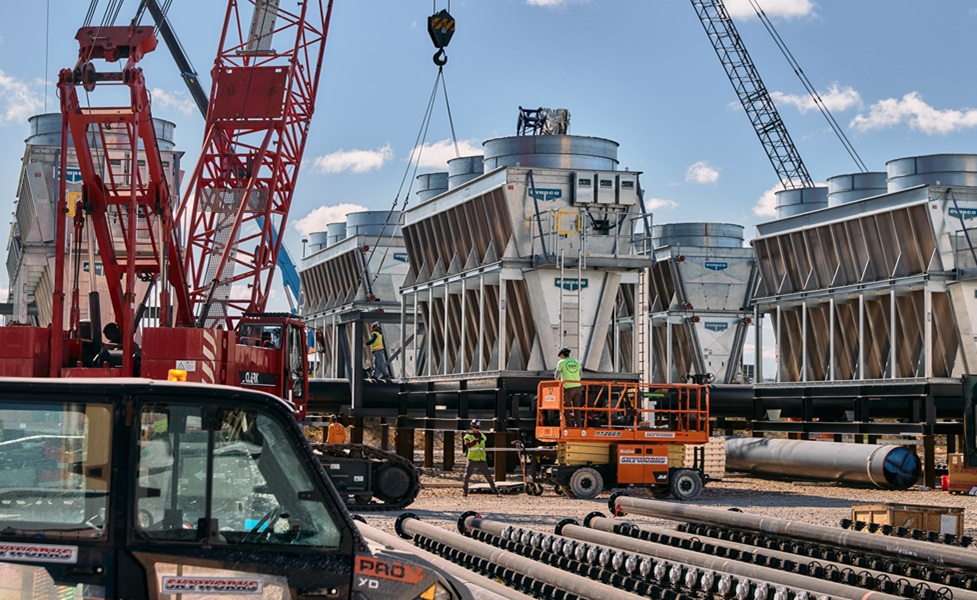
At Lake Mariner, Schneider Electric and Motivair have supplied a range of technologies including uninterruptible power systems, lithium-ion battery systems, liquid cooling infrastructure, racks, enclosures and digital monitoring platforms. The deployment combines power infrastructure, liquid cooling technologies and software designed to support large-scale AI environments.
What makes projects such as Lake Mariner noteworthy is not simply their size, but the speed at which they are being delivered. According to Schneider Electric, TeraWulf sought to transform the location into a series of purpose-built AI data centres within a twelve-month timeframe, creating demanding construction and operational requirements.
That emphasis on speed reflects a wider trend across the industry. As demand for AI computing continues to rise, operators are under increasing pressure to accelerate deployment schedules while ensuring that facilities remain resilient, energy efficient and capable of supporting future generations of hardware.
The emergence of AI industrial strategy
The Lake Mariner development also demonstrates how AI infrastructure is becoming closely linked to wider questions of energy policy and industrial strategy.
The site benefits from access to the regional New York power grid, which Schneider Electric says is approximately 89 per cent zero-carbon and has substantial surplus power available to support AI and high-performance computing workloads.
Equally significant is the presence of long-term commitments from anchor tenants including Core42 and Fluidstack, which is backed by Google. Their involvement reflects the growing importance of securing reliable infrastructure capacity as competition for AI resources intensifies.
For many observers, developments such as Lake Mariner signal a broader evolution in the AI market. The conversation is moving beyond model performance and application development towards the practical realities of delivering compute at scale. Access to power, cooling and suitable locations is becoming a strategic differentiator in its own right.
Sean Farrell, Chief Operating Officer at TeraWulf, said the company’s strategy is focused on delivering scalable and energy-efficient infrastructure capable of supporting increasingly demanding AI and high-performance computing workloads.
The project also points to the growing role of automation and digital intelligence within infrastructure itself. Schneider Electric said its monitoring and management software has been integrated across the site alongside engineering services and cooling technologies intended to optimise performance and reduce operational risk.
As governments and businesses continue to invest heavily in artificial intelligence, projects such as Lake Mariner offer a reminder that the future of AI will be shaped not only by breakthroughs in software, but also by the physical systems that make those breakthroughs possible. The next chapter of the AI race may ultimately be decided by who can build, power and operate the infrastructure behind it most effectively.